
Museums in Bruges
For Flemish painting, Bruges has two museums that can fill an afternoon. Jan van Eyck’s Madonna with Canon Joris van der Paele hangs in the Groeningemuseum. The former St John’s Hospital still holds paintings that Hans Memling made specifically for the institution.
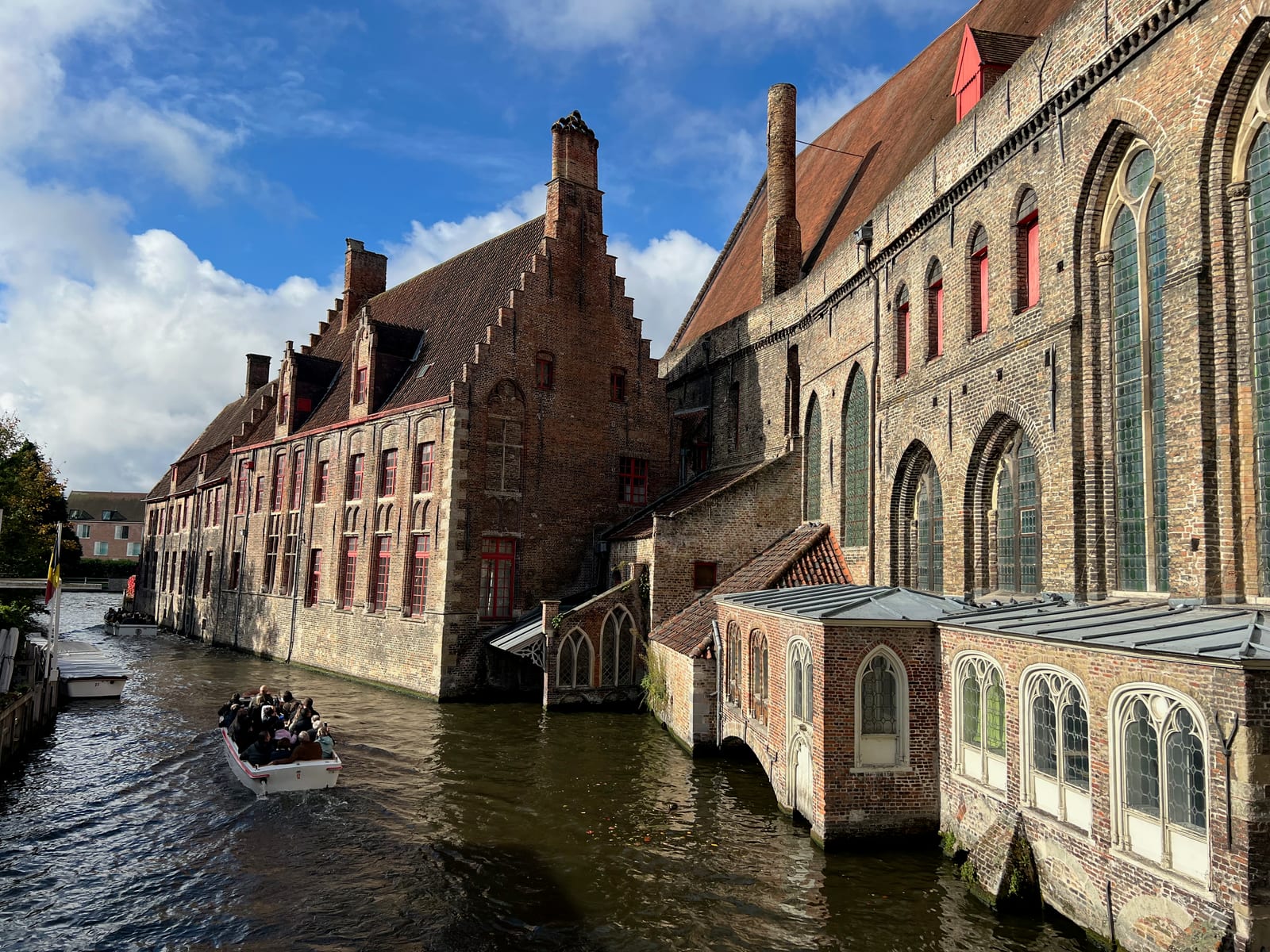
Art and city history
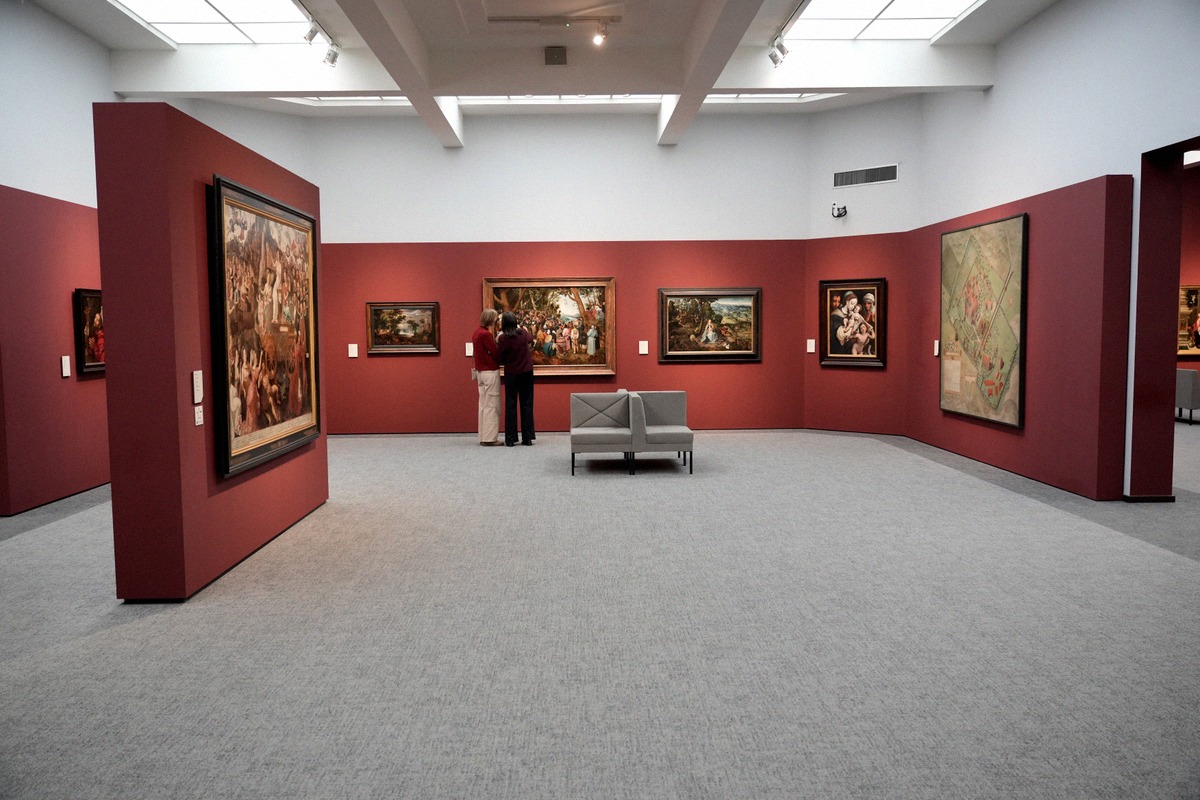
Groeningemuseum
The Groeningemuseum holds paintings by Jan van Eyck, Hans Memling and René Magritte. During renovation on the Dijver, part of the collection moves to BRUSK.
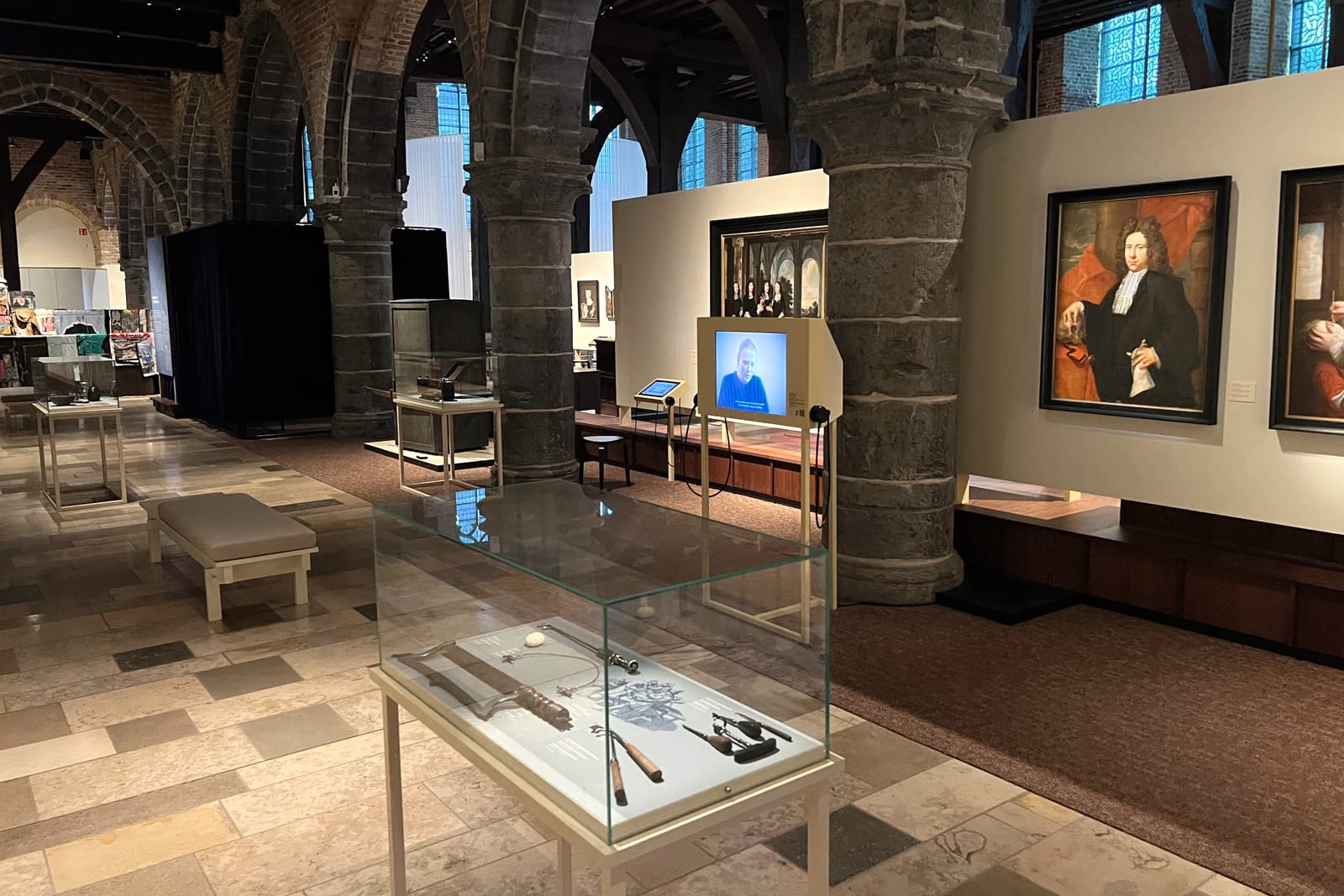
Museum St John’s Hospital
The old hospital on Mariastraat holds seven works by Hans Memling. Four were made for the hospital, including his Shrine of St Ursula.
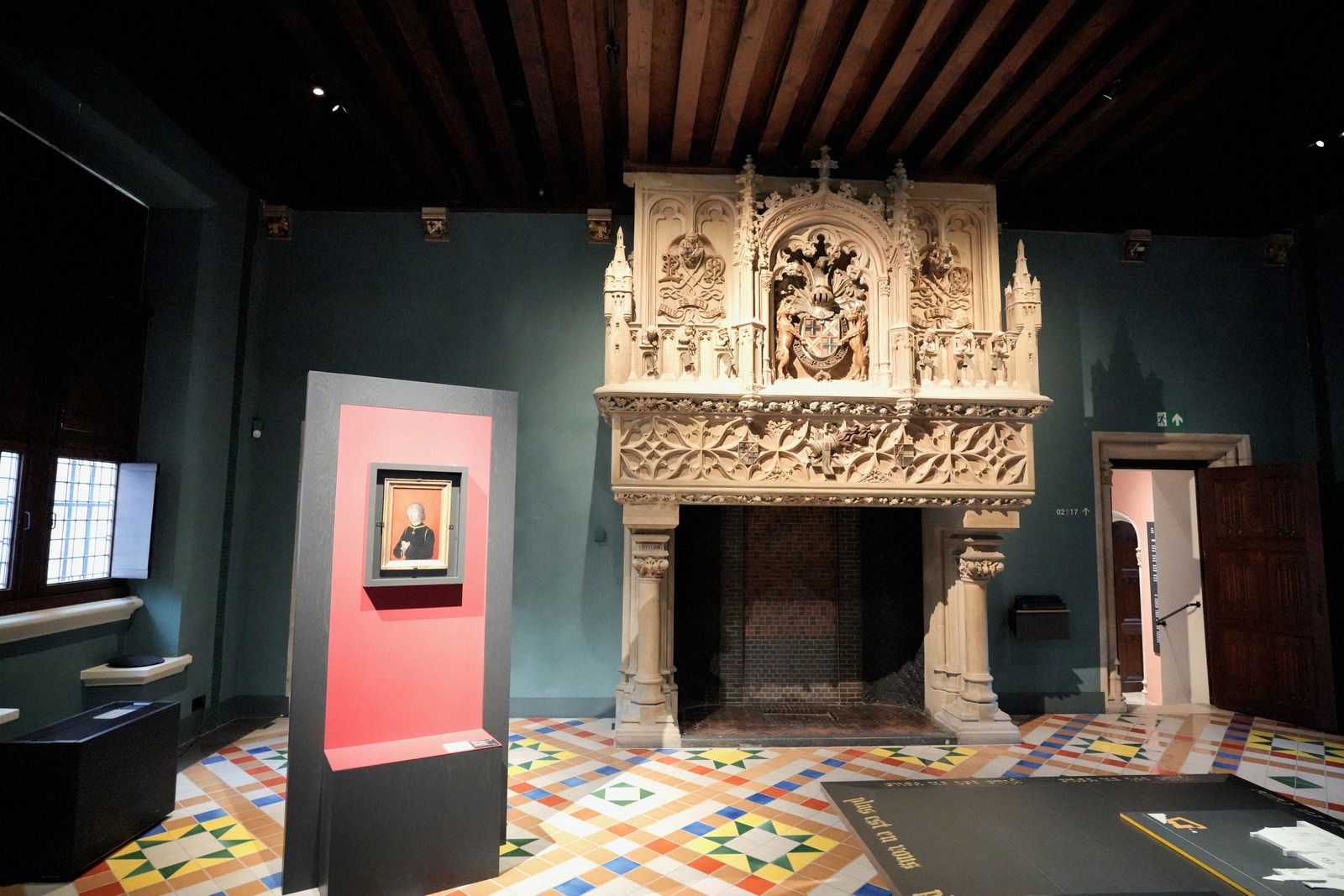
Gruuthusemuseum
Historic objects tell the story of Bruges in a palace on the Dijver. Its private oratory overlooks the choir of the Church of Our Lady.
Museum of Folk Life
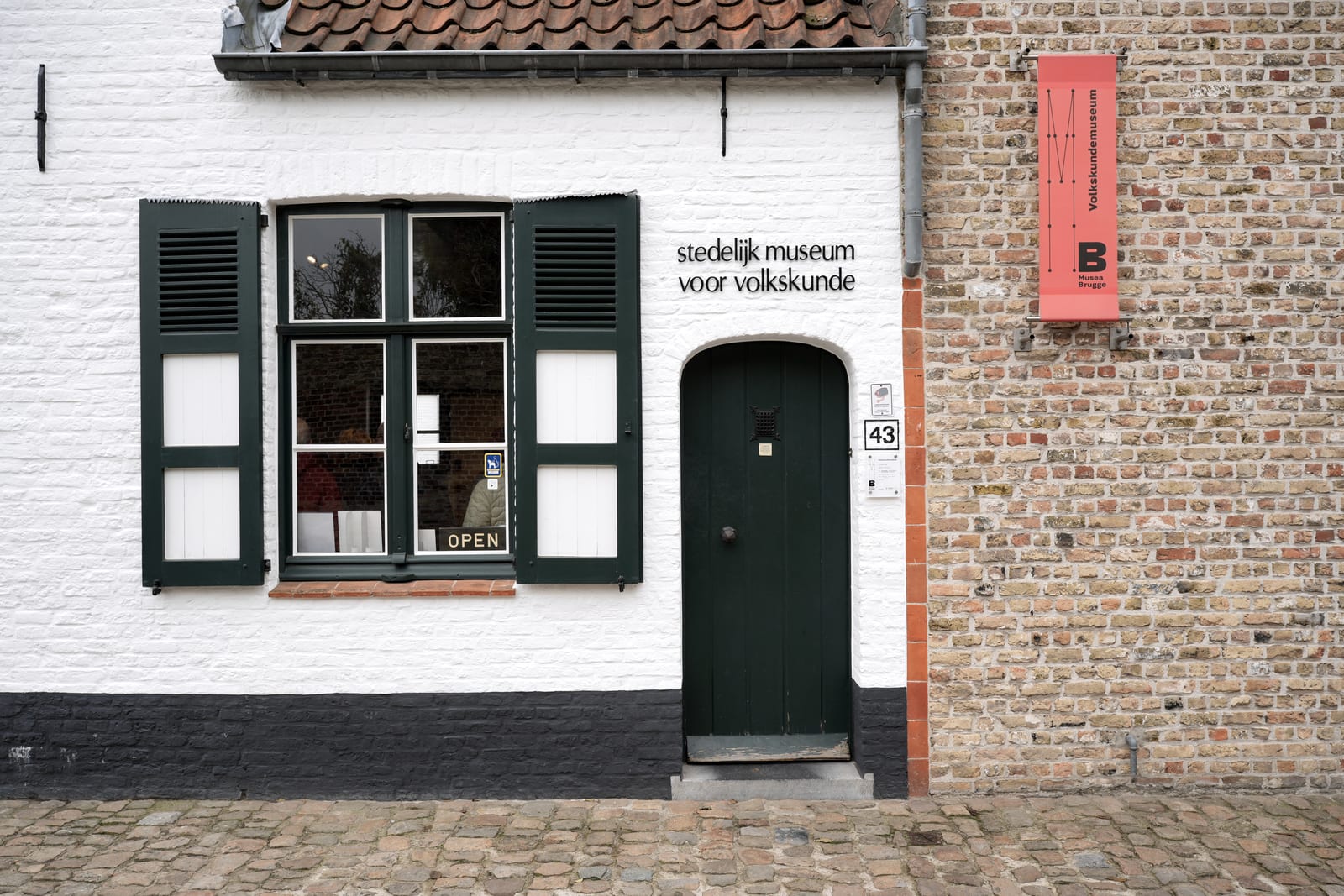
A classroom, pharmacy and grocer’s shop recreate everyday life in old Bruges inside restored workers’ houses on Balstraat.
Our Lady of the Pottery
A former hospital by the water combines art with the history of care. The Potterie includes a collection of silver and a church with its image of the Virgin.
Frietmuseum
The Saaihalle traces the potato’s journey to Belgian fries. Fries are served in the vaulted cellar; regular last admission is at 16:15.
Diamond Museum
Tools and rough stones explain diamond cutting. The cutting demonstration at the Diamond Museum on Katelijnestraat begins at 12:15.
Collections and buildings
Paintings on the Dijver and in the old hospital
The Groeningemuseum shows the extraordinary precision of Bruges painters in the 15th century. Van Eyck’s Madonna brings the kneeling donor, two saints and the enthroned Virgin and Child into a compact space. Even the reflections on a suit of armour are finely painted. From January 2027, renovation work changes where visitors can see the collection. The museum page gives the dates for the display at neighbouring BRUSK.
A few streets away, on Mariastraat, stands Museum St John’s Hospital. Here, the building is part of the collection’s story. The medieval hospital cared for sick people and travellers. Four of its seven works by Hans Memling were made for this very place. His Shrine of St Ursula stands in the hospital church. Paintings along the sides of the small shrine tell the saint’s journey in successive scenes.
Gruuthuse Palace and the Church of Our Lady
At the Gruuthusemuseum, tapestries, furniture and everyday objects tell the story of life in Bruges. The museum occupies a city palace. Its private oratory reveals how closely the palace was connected to the neighbouring church. From here, the family could look into the choir of the Church of Our Lady. Michelangelo’s marble Madonna requires admission to the museum section of the church itself. The two visits are only a short walk apart.
Chocolate, fries and diamond cutting
North of the Markt are two museums suited to a shorter visit. Choco-Story on Wijnzakstraat follows cocoa cultivation and its transformation into chocolate. Chocolates are made by hand on the premises. The Frietmuseum on Vlamingstraat occupies the old Saaihalle. It traces the potato’s journey to becoming Belgian fries and explains how they are prepared. Fries are served in the vaulted cellar.
The Diamond Museum explores another Bruges trade. Diamond cutters were already working in this trading city in the Middle Ages. Tools and cut stones illustrate the difference between trading rough diamonds and working them. For a day visiting several museums, the buildings around the Dijver make a convenient group to visit before joining the walk through the old town.
Everyday life and the history of care
At the Museum of Folk Life, a classroom, pharmacy and grocer’s shop recreate everyday life in earlier Bruges. The small workers’ houses offer a different perspective from Gruuthuse Palace. Further north lies Our Lady of the Pottery. This former hospital by the water combines the history of care with a collection of silver and a church whose image of the Virgin drew pilgrims. These two museums take visitors into the eastern and northern quarters of the old town.